Four ways to put a game in your newsletter
Four ways to gamify your newsletter, compared on the work each issue takes and what each one brings back.
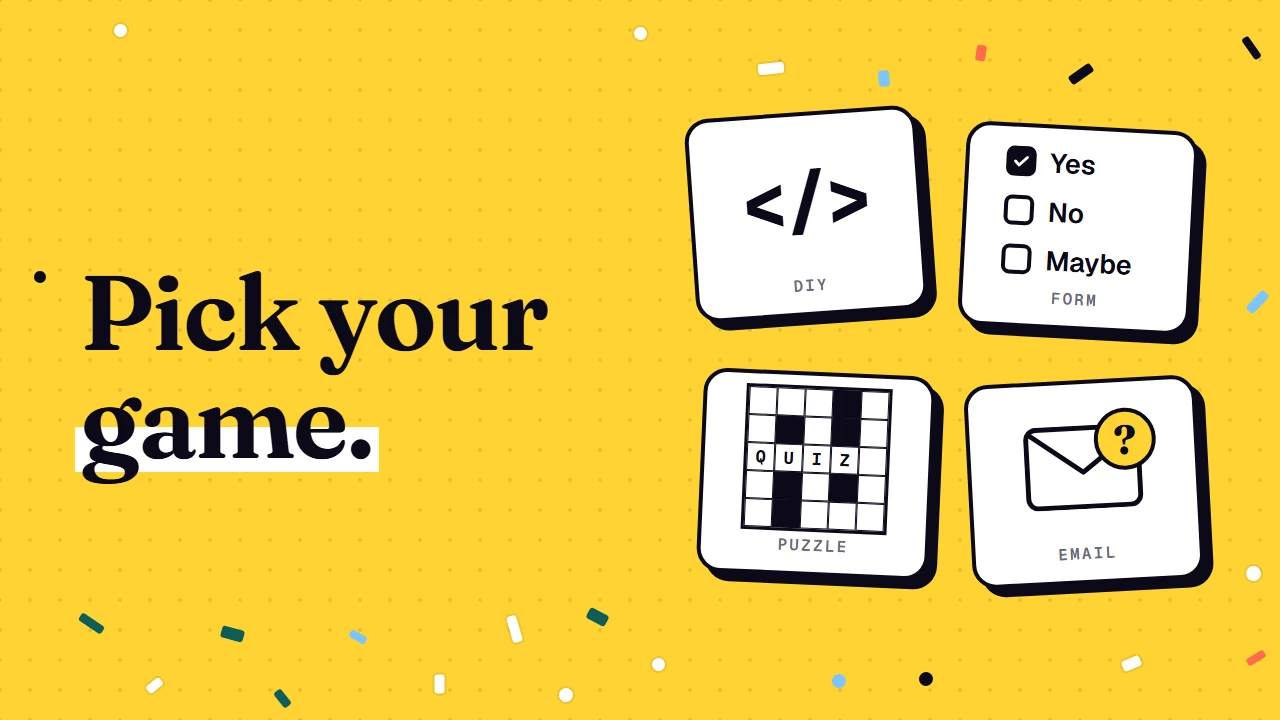
A game gives readers a reason to open your next issue. There are four ways to put one in a newsletter. You can hand-code it, build it in a form tool, license a puzzle, or use a tool made for email. They differ in how much work each issue takes and in what you get back for it.
Here are the four, from the most work per issue to the least.
Hand-code it yourself
The do-it-yourself version starts with questions you write, or ones you draft with an AI chatbot and check line by line. Each answer becomes a link or button in your email, and each link opens a page that tells the reader whether they got it right.
You control every word and pixel, and it costs nothing but time. The time is the catch. Inboxes don't run scripts, so scoring happens on pages you build and host, and every issue starts from a blank file. A streak or a leaderboard means writing software.
It's worth it if you have a dev team and one big quiz a year in mind.
Build it in a form tool
Quiz and survey builders let you write questions, pick a theme and share a link. You can have a quiz live in an afternoon, and the tool scores it for you.
Each quiz stands alone, though. Readers leave the email for the form, and the look stays within the tool's themes. Nothing carries a reader from one issue to the next, so there's no streak to protect. You also write every question yourself, every time.
Use one for a one-off, like a reader survey or a holiday quiz.
License a puzzle
Puzzle vendors sell daily crosswords, word games and sudoku, made by puzzle editors and ready to drop in. The work per issue is close to none, and readers already know how to play.
The trouble is fit. A sudoku next to your lead story says nothing about your lead story, so the puzzle competes with your content for attention instead of sending readers back to it. Most vendors build for websites, so the email links out, and the license fee lands on top of everything else.
Pick a puzzle when you want a daily ritual and don't mind that it isn't about your content.
Use a tool made for email
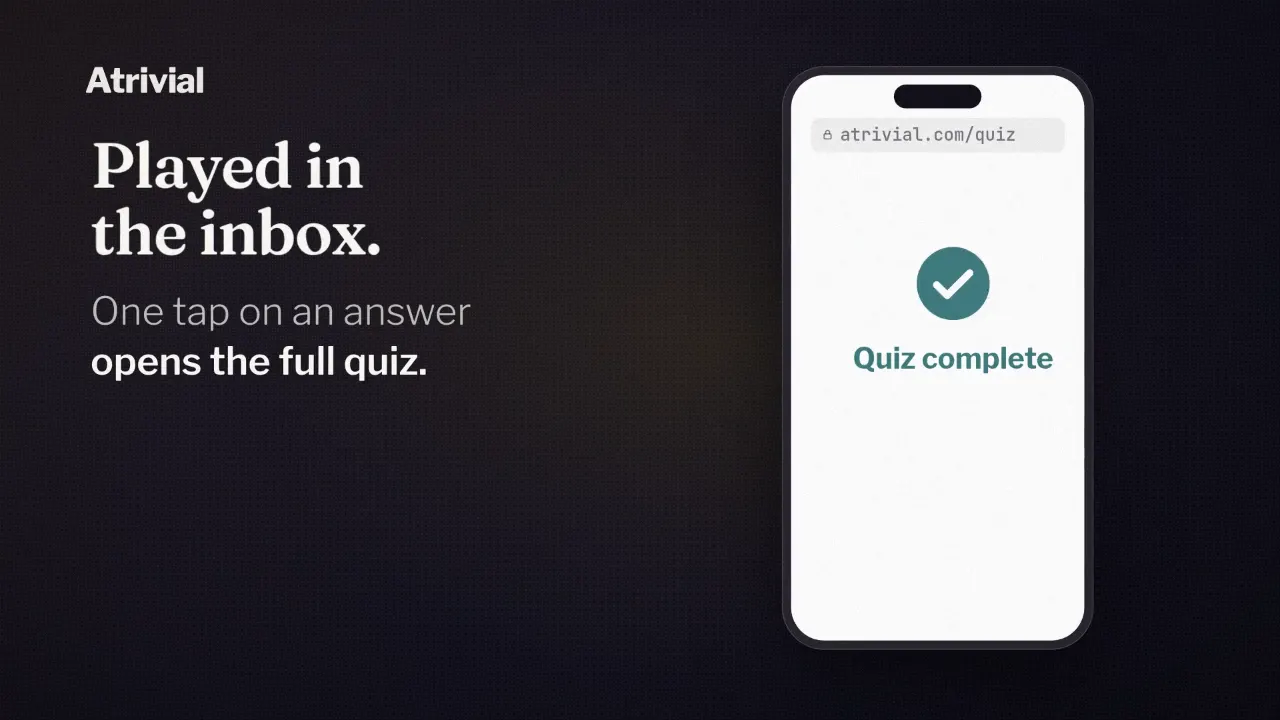
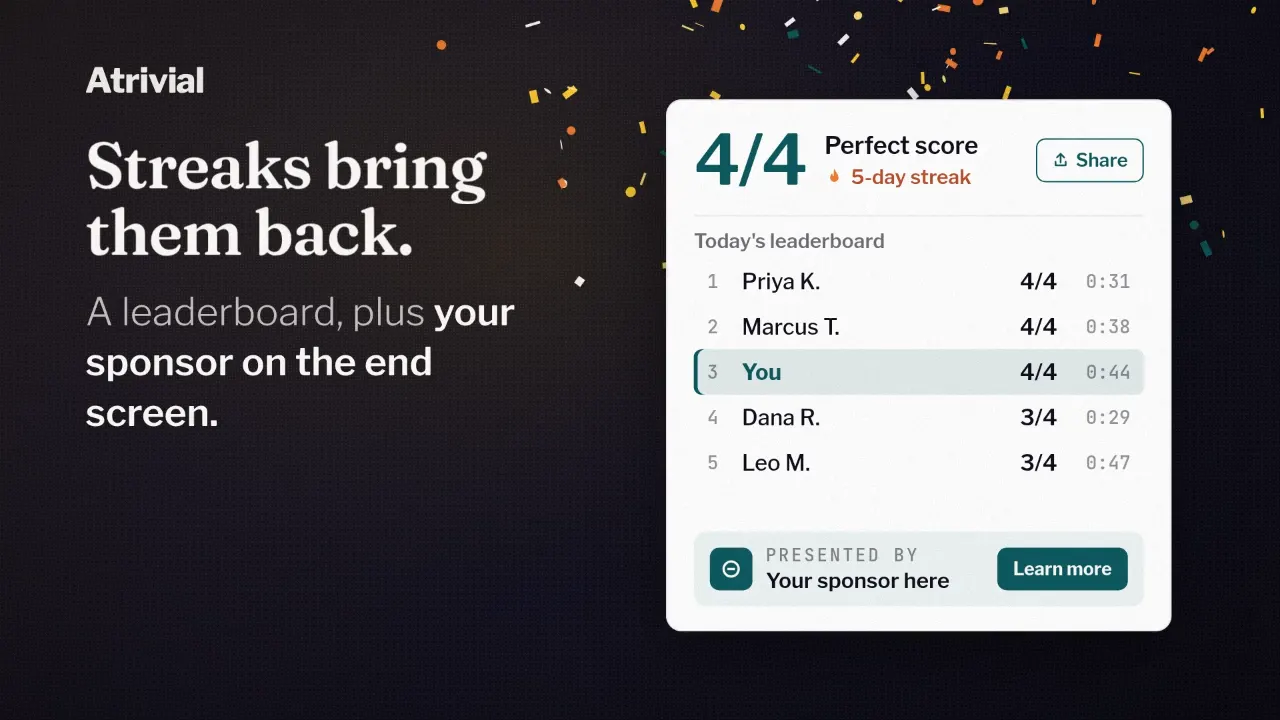
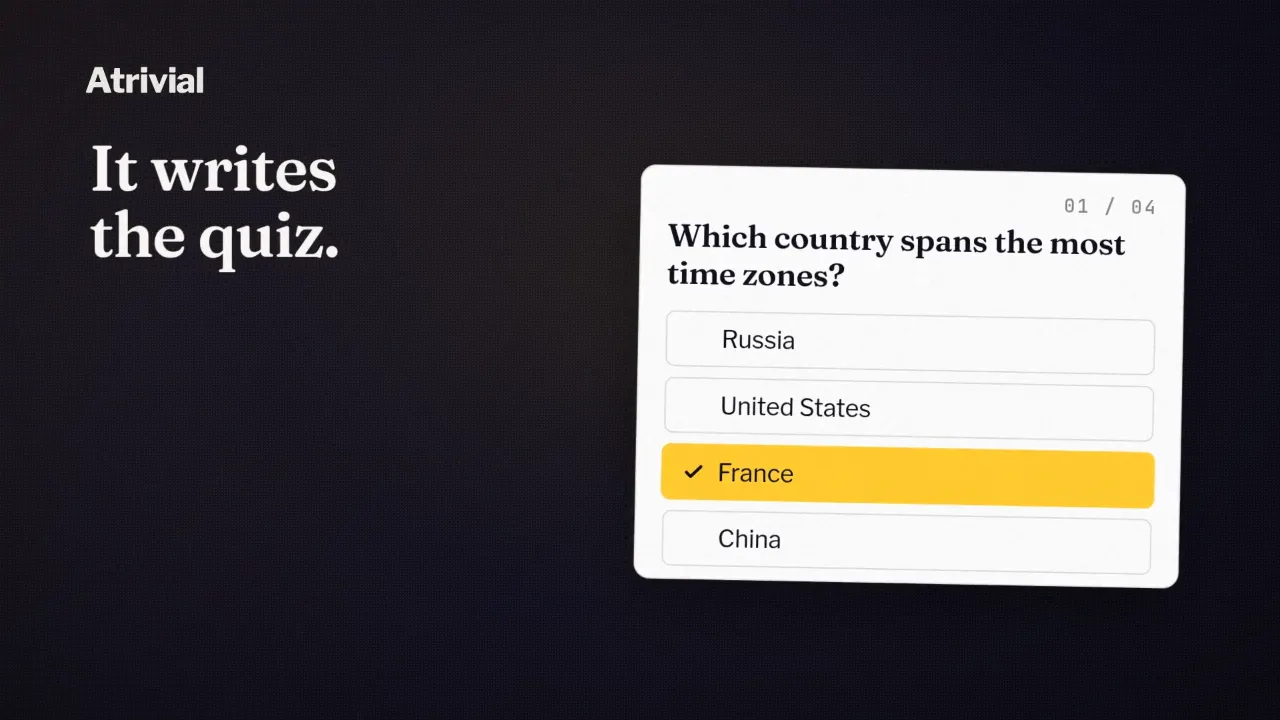
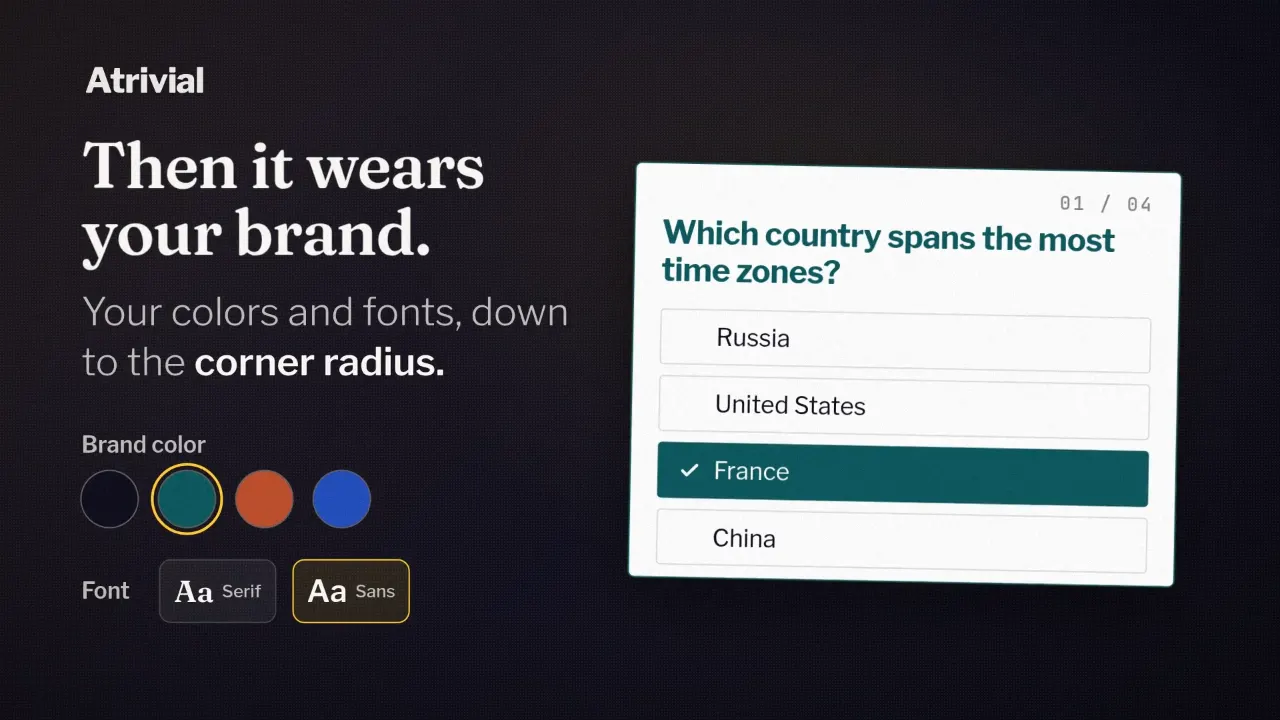
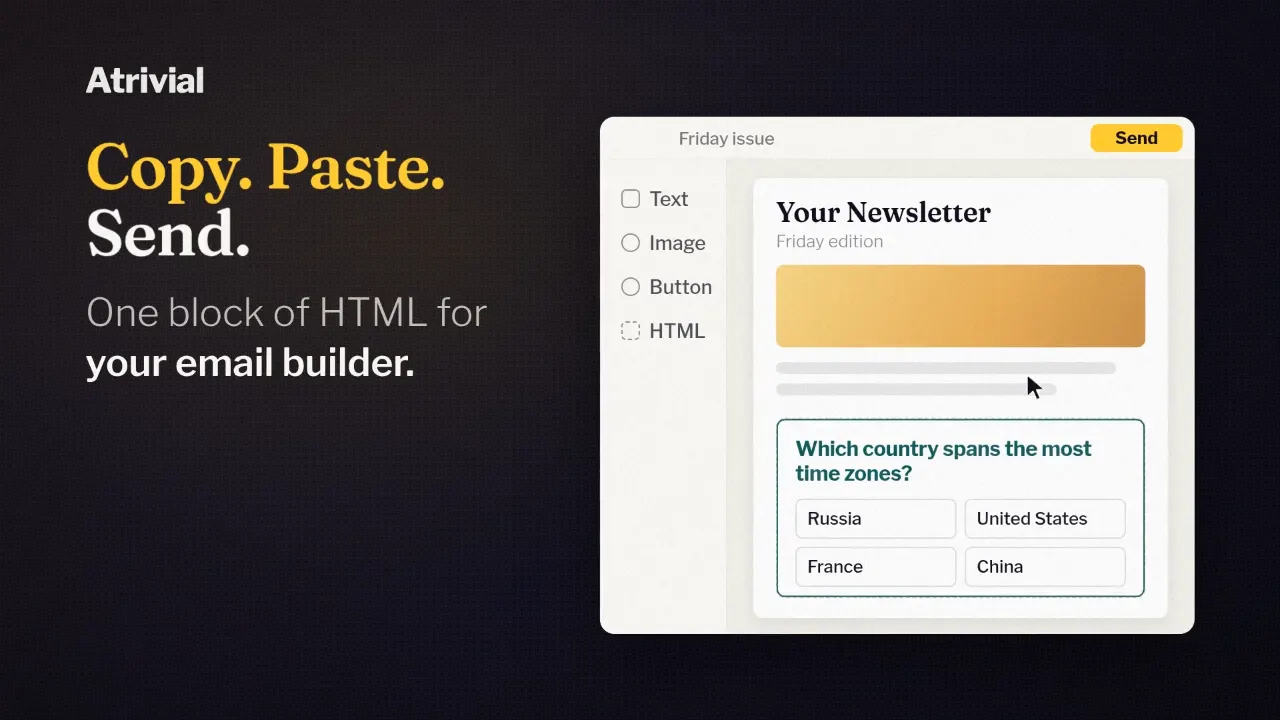
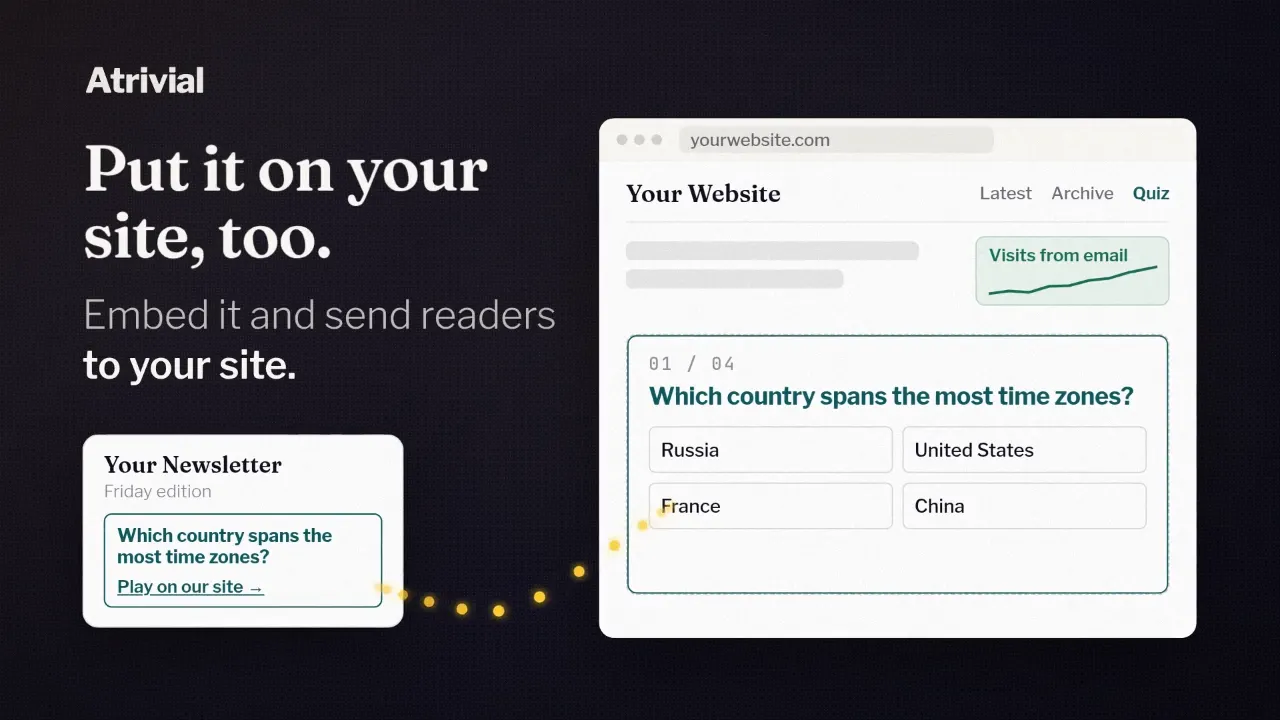
The fourth way is software built for newsletters. Some email platforms include a poll block, a single question you write that readers answer from the email. Dedicated quiz tools go further. Atrivial, for example, generates each quiz from your own content and puts the first question in your issue. One tap opens the rest. It keeps scores and streaks across editions and wears your colors and fonts.
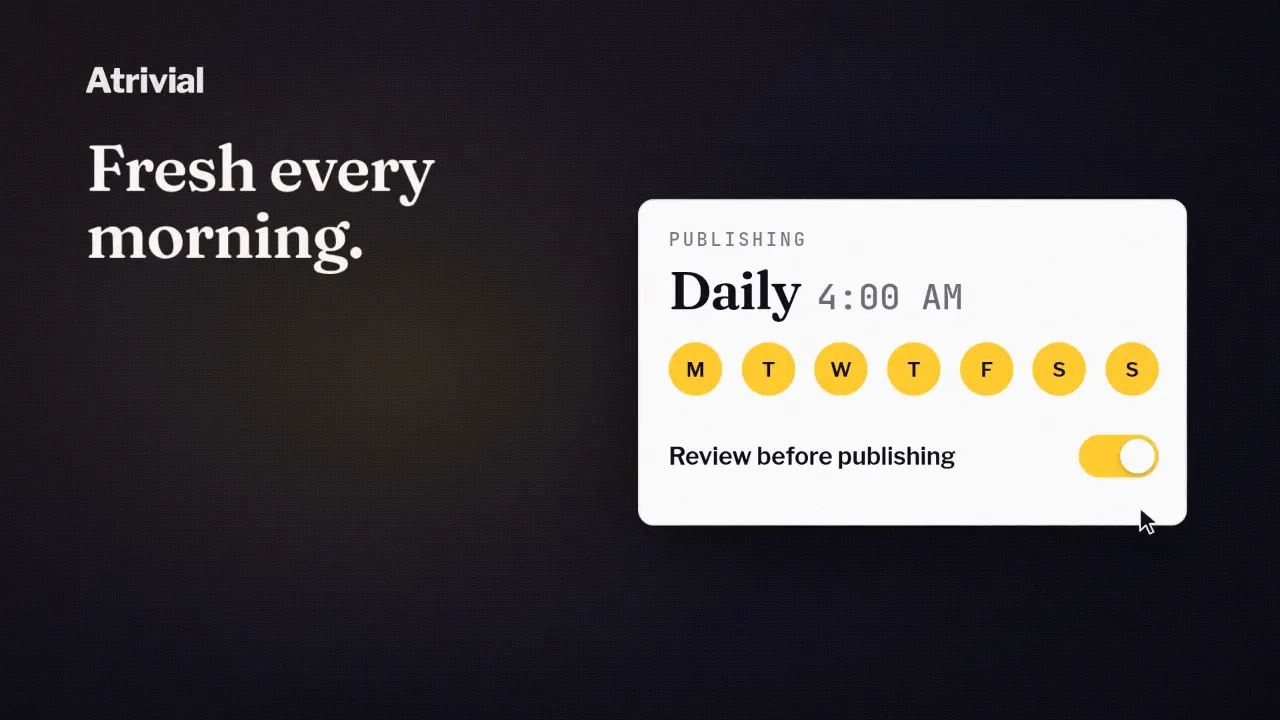
The work per issue shrinks to a review. You check the questions, fix anything that's off and send. The trade-offs are a monthly fee and less control than code you wrote yourself.
It fits when you want a game in every issue without adding hours to your week.
What any newsletter game has to do
Whichever way you go, hold the game to these tests. The last one applies if you sell sponsorships.
- It comes from your content, so playing sends readers back into what you wrote.
- It starts in the inbox. Each step between the email and the first question is a place to drop off.
- It looks like your newsletter. A game in someone else's colors reads like an ad.
- It remembers readers from one issue to the next, with a score or streak worth protecting.
- It fits your week. A game that adds hours to every issue won't survive a busy month.
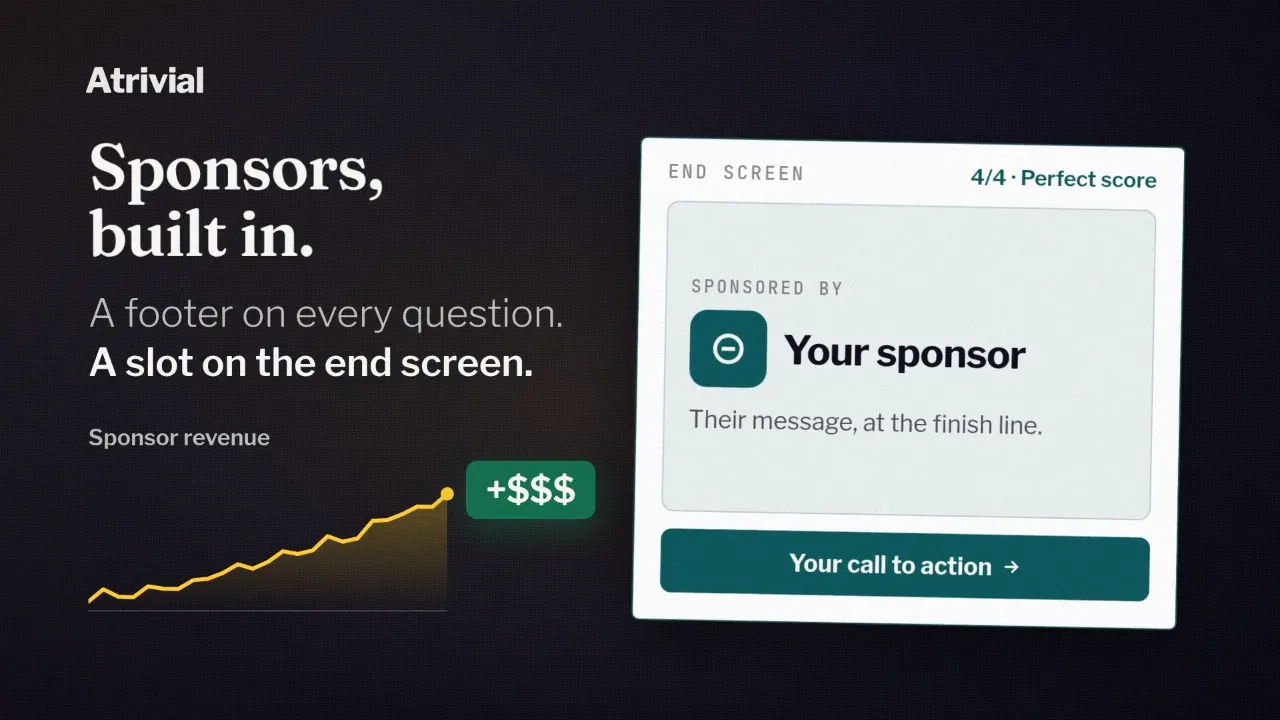
- It has room for a sponsor, like a footer under each question or an offer on the end screen, so it can earn its keep.
Want to see what your readers will play?
Try a sample quiz